Prairies once stretched across millions of acres in the Midwest, creating one of the most diverse landscapes in North America. These grassland ecosystems supported hundreds of native plant species, provided habitat for wildlife and pollinators, improved soil health, and helped manage stormwater naturally.
Today, only a small fraction of the region’s original prairies remains. Fortunately, prairie restoration is helping bring these valuable ecosystems back to life. Understanding prairie restoration is the first step toward creating healthier, more sustainable landscapes.
What Is Prairie Restoration?
Prairie restoration is the process of returning land to a native prairie ecosystem. This involves removing invasive species, preparing the site, planting native grasses and wildflowers, and providing ongoing stewardship to help the prairie mature over time.
Successful prairie restoration recreates the complex relationships between native plants, wildlife, soil microorganisms, and natural ecological processes that once existed across the landscape.
Prairie restoration projects can be completed on a wide range of properties, including:
- Former agricultural land
- Corporate campuses
- Municipal properties
- Park districts
- Utility corridors
- School campuses
- Stormwater management areas
- Residential properties
- Conservation lands
A restored prairie can provide beauty, biodiversity, and long-term environmental benefits while reducing the maintenance demands associated with conventional turf grass.
The History of Prairies in the Midwest
Before European settlement, prairies covered much of Illinois and the surrounding Midwest. Illinois was once known as the “Prairie State” because nearly 60 percent of its landscape consisted of prairie ecosystems.
These vast grasslands developed over many thousands of years through a combination of climate, grazing animals, and naturally occurring fires. Deep-rooted native grasses and flowering native plants adapted to these conditions, creating resilient ecosystems capable of surviving drought, flooding, and extreme temperatures.
Native American communities actively managed many prairie landscapes through prescribed burning, helping maintain healthy grasslands and supporting wildlife populations.
As settlement expanded throughout the 1800s, most prairies were converted to farmland due to their rich, fertile soils. Urban development, roads, and other infrastructure further reduced prairie acreage.
Less than one percent of one percent of Illinois’ original prairie remains, today. The loss of prairie habitat has contributed to declines in pollinator populations, native wildlife, and overall biodiversity. Prairie restoration helps reverse this trend by rebuilding native ecosystems and restoring ecological function to the landscape.
Why Prairie Restoration Matters
Prairie restoration offers significant environmental, economic, and aesthetic benefits.
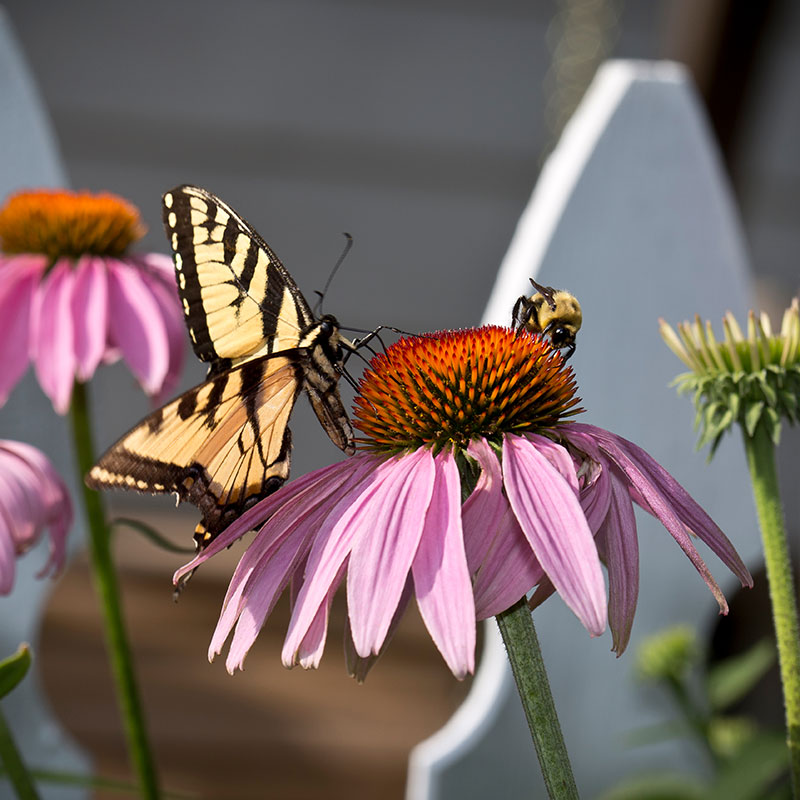
- Improved Pollinator Habitat: Native prairies provide food and shelter for bees, butterflies, moths, and other pollinators throughout the growing season. Diverse plant communities ensure a continuous supply of nectar and pollen from spring through fall.
- Better Stormwater Management: Prairie plants develop root systems that can extend several feet into the soil. These deep roots improve infiltration, reduce runoff, and help manage stormwater naturally.
- Enhanced Wildlife Habitat: Birds, small mammals, amphibians, and beneficial insects all depend on native prairie ecosystems. Restoration projects can create valuable habitat corridors that support local biodiversity.
- Increased Soil Health: Prairie roots improve soil structure, increase organic matter, and help reduce erosion. Over time, restored prairies can improve the overall health and resilience of the soil.
- Reduced Long-Term Maintenance:While prairie establishment requires active management during the first few years, mature prairies often require less mowing, irrigation, and fertilization than conventional turf grass.
Can Farmland Be Converted Back to Prairie?
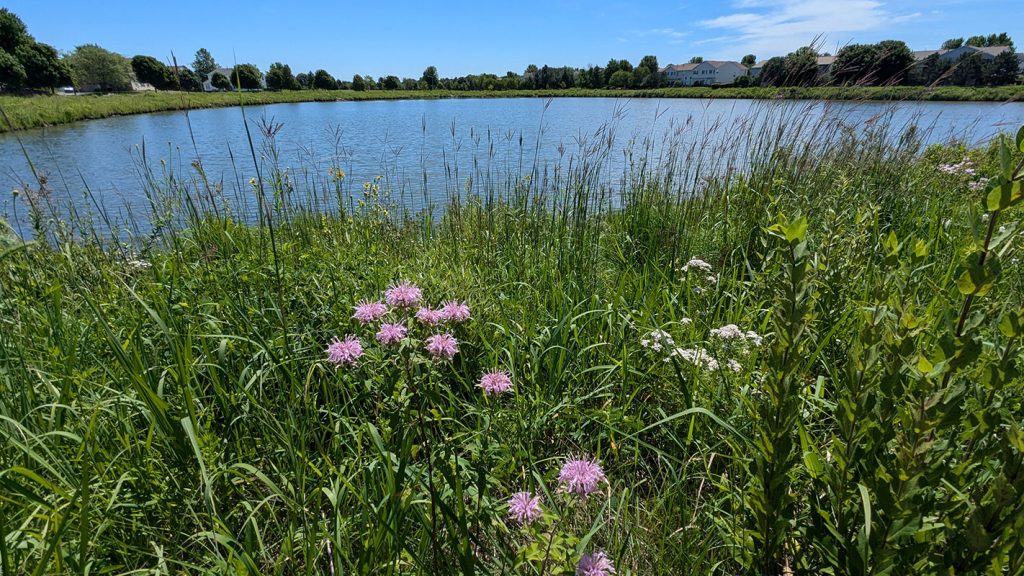
Yes. Former agricultural land is often an excellent candidate for prairie restoration.
Many restoration projects begin on land that was farmed for decades or even generations.
Converting farmland to prairie typically involves several steps:
- Site Assessment: Restoration professionals evaluate soils, drainage patterns, existing vegetation, and site goals to determine the most appropriate restoration strategy.
- Site Preparation: Existing vegetation is typically removed through a combination of herbicide applications, tillage, cover crops, or prescribed burns.
- Seed Selection: Native seed mixes are customized based on soil moisture, site conditions, and restoration objectives. A successful prairie restoration may include dozens or even hundreds of native species.
- Planting: Native seed is generally planted during spring or dormant-season seeding periods. Specialized equipment helps ensure proper seed-to-soil contact.
- Establishment and Stewardship: The first few years are critical. Weed management, mowing, monitoring, and invasive species control help native plants establish successfully. Although the process requires patience, former farmland can be transformed into thriving prairie habitat with proper planning and stewardship.
Different Types of Prairies
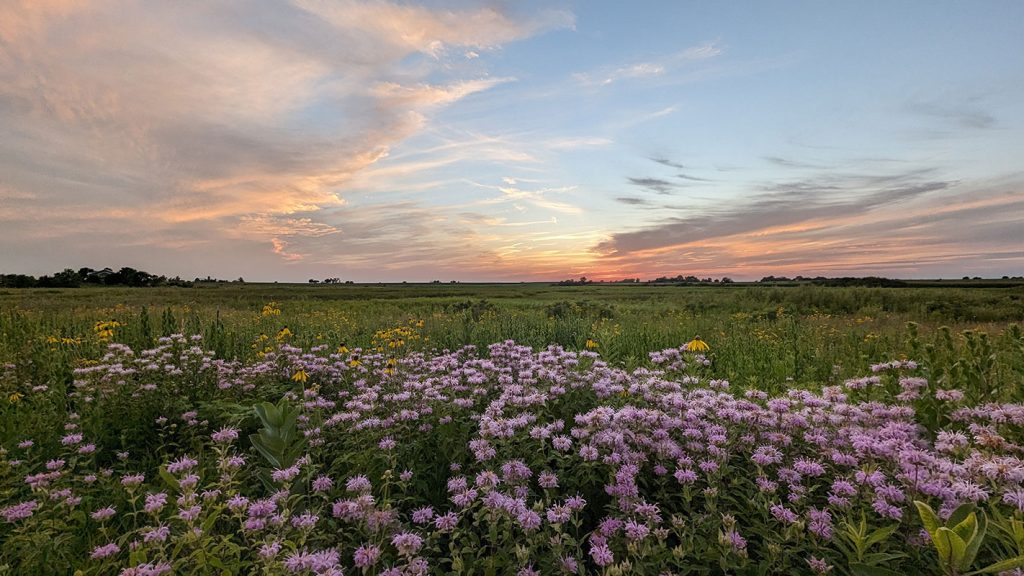
Not all prairies are the same. Different prairie communities develop based on soil conditions, moisture levels, topography, and historical land use. Understanding prairie types helps restoration professionals select the appropriate plant communities for each site.
Tallgrass Prairie
The tallgrass prairie is perhaps the most iconic prairie ecosystem in the Midwest.
Dominated by species such as big bluestem, Indian grass, and switchgrass, tallgrass prairies can reach heights of six to eight feet during the growing season.
Common characteristics include:
- Deep, fertile soils
- High plant diversity
- Abundant wildflowers
- Excellent wildlife habitat
- Strong stormwater infiltration capabilities
Tallgrass prairie restoration is common throughout Illinois and much of the eastern Great Plains.
Mixed-Grass Prairie
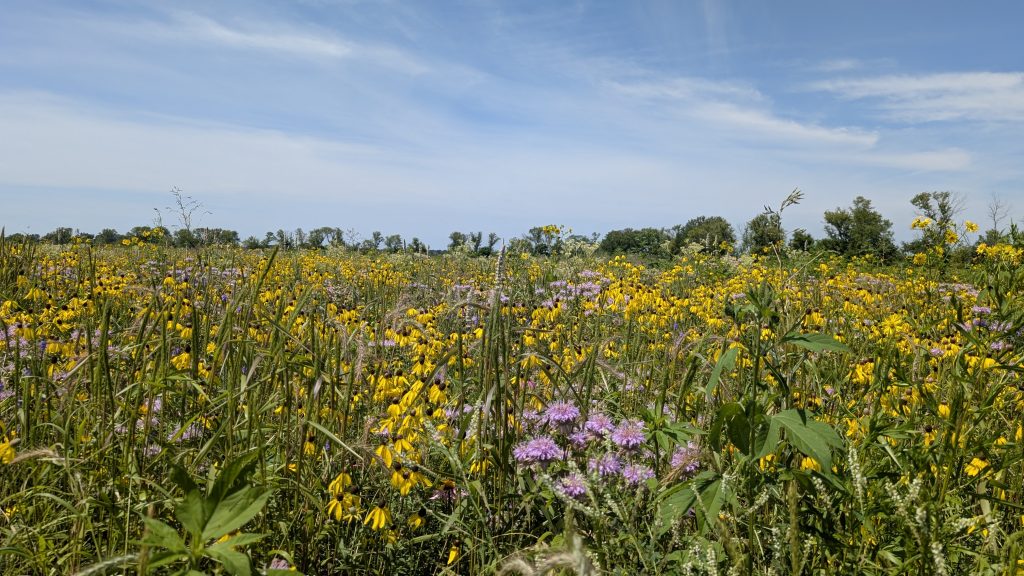
Mixed-grass prairie serves as a transition zone between tallgrass prairie and shortgrass prairie ecosystems farther west. These prairies contain a combination of medium-height grasses and flowering native plants, creating a diverse landscape that supports numerous wildlife species.
Mixed-grass prairie restorations often provide excellent habitat value while adapting well to varying environmental conditions.
Mesic Prairie
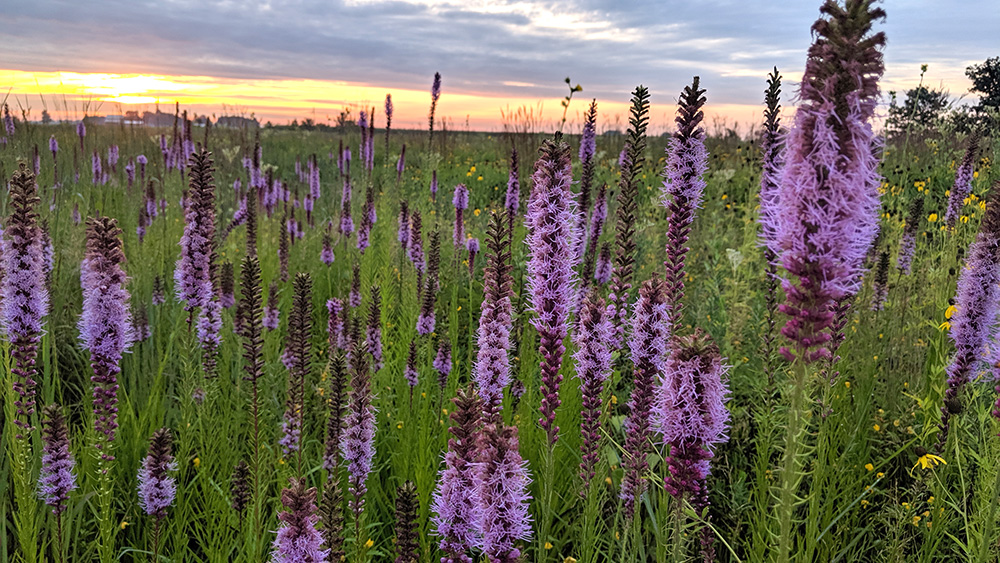
A mesic prairie develops in areas with moderate soil moisture.
Many Midwestern prairie restorations fall into this category because mesic conditions are common throughout the region.
Mesic prairies often support:
- High plant diversity
- Numerous flowering species
- Robust pollinator populations
- Dense grass cover
The balanced moisture conditions allow a wide variety of native plants to thrive.
Savanna Prairie
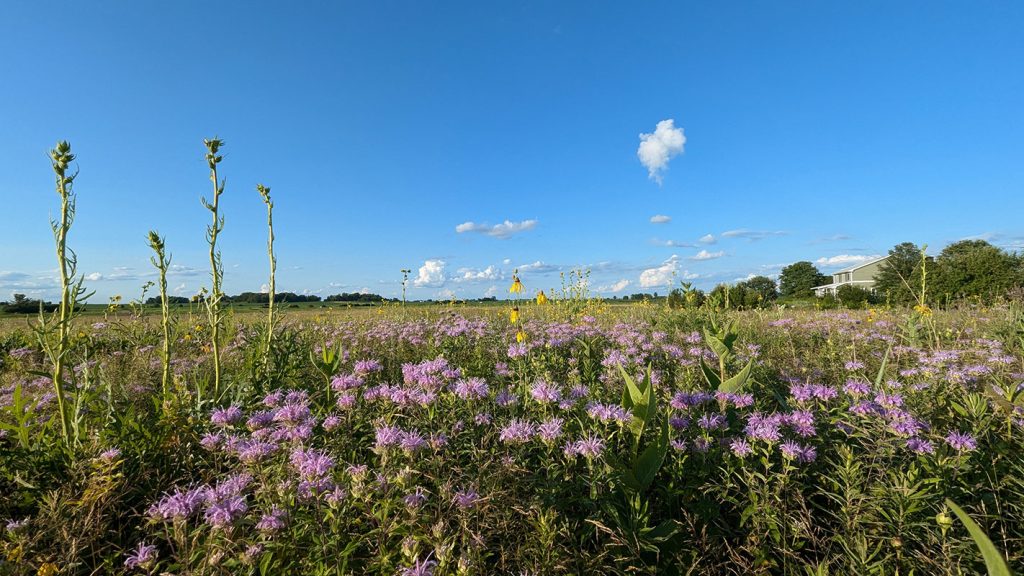
Savanna prairie combines characteristics of both prairie and woodland ecosystems.
These landscapes feature widely spaced native trees, typically oaks, growing within a diverse understory of prairie grasses and wildflowers.
Savanna restorations provide:
- Exceptional wildlife habitat
- Structural diversity
- Pollinator resources
- Historic landscape character
Oak savannas were once common throughout parts of Illinois and the upper Midwest but have become increasingly rare due to fire suppression and development.
Low Profile Prairie
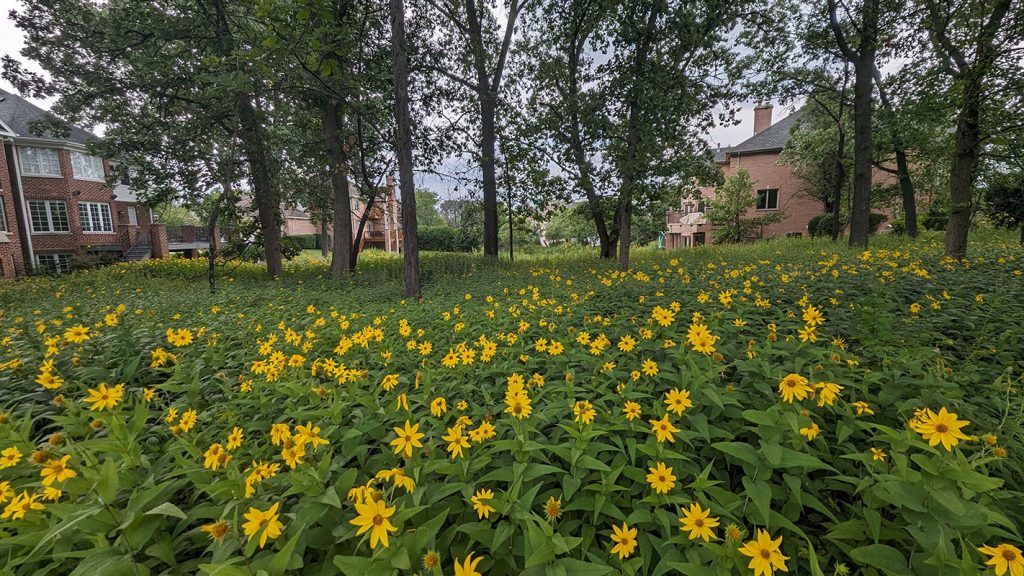
Low profile prairies are designed to maintain a shorter, more managed appearance while still providing many of the ecological benefits associated with native plantings.
These restorations often use shorter native grasses and flowering species to create a landscape that blends well with corporate campuses, residential developments, parks, and urban environments.
Benefits of low-profile prairie installations include:
- Improved visibility
- Reduced perceived maintenance concerns
- Pollinator support
- Native biodiversity
- Attractive seasonal color
Low profile prairie systems can be an excellent option for properties where aesthetics and sight lines are important considerations.
Common Prairie Plants Found in Restoration Projects
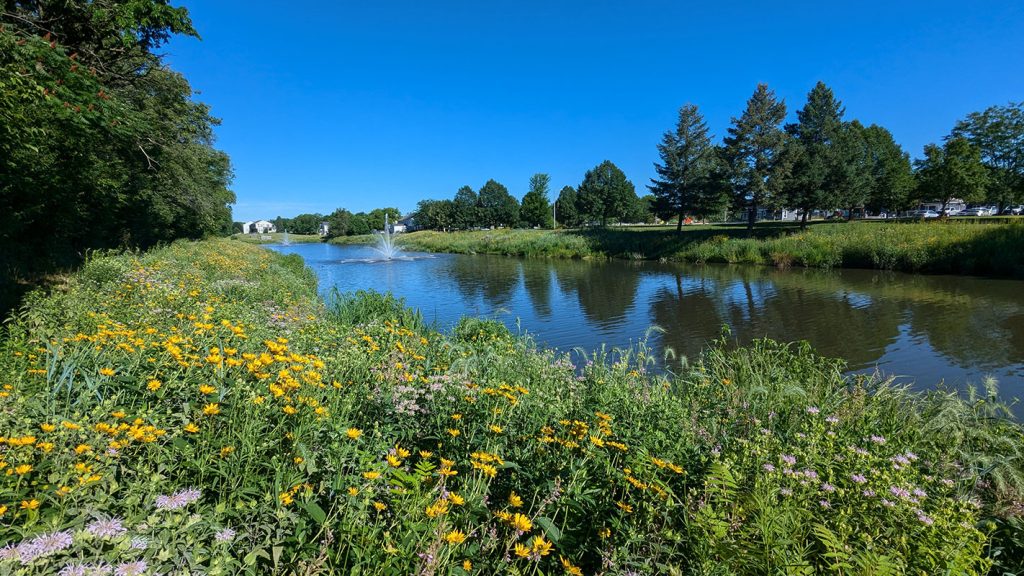
Native prairie restorations typically include a mix of grasses, sedges, and flowering plants.
Some commonly used prairie species include:
Native Grasses
- Big bluestem
- Little bluestem
- Indian grass
- Switchgrass
- Prairie dropseed
- Side-oats grama
Native Wildflowers
- Purple coneflower
- Black-eyed Susan
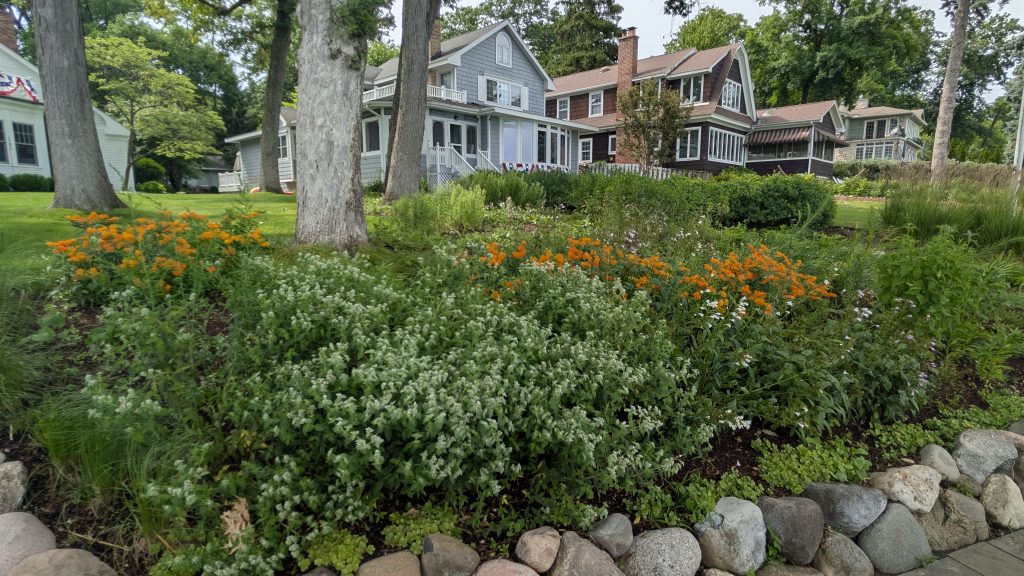
- Butterfly milkweed
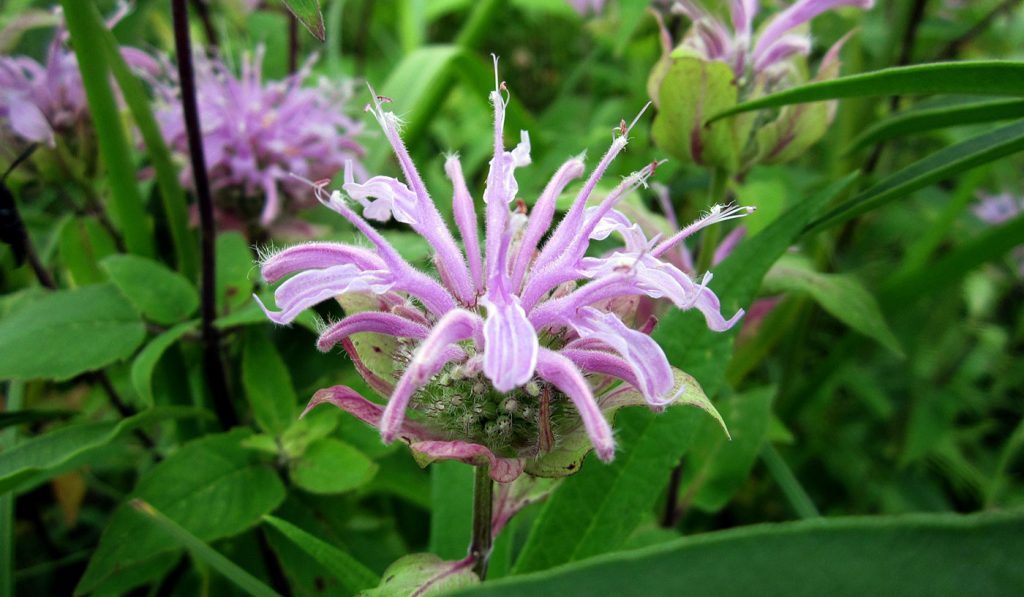
- Wild bergamot
- Prairie blazing star
- Compass plant
- New England aster
- Prairie dock
These plants provide seasonal color, habitat value, and food sources for pollinators and wildlife. Because different species bloom at different times, well-designed prairie restorations offer visual interest throughout the growing season.
What’s the Difference Between A Prairie and a Meadow?
The terms “prairie” and “meadow” are often used interchangeably, but they are not the same.
A prairie is a specific type of grassland ecosystem dominated by native grasses and flowering plants. Prairies typically contain deep-rooted species adapted to periodic fire, drought, and grazing.
A meadow is a broader term that refers to open landscapes dominated by grasses and herbaceous plants. Meadows may contain native or non-native species and often develop naturally in areas where tree growth is limited. Both landscapes can provide habitat and aesthetic benefits, but prairie restorations are typically designed to recreate native ecosystems and maximize biodiversity.
How Long Does Prairie Restoration Take?
Prairie restoration is a long-term investment.
While some native plants emerge during the first growing season, most prairie restorations require several years to fully develop.
- Year One: The focus is on root development. Native plants spend much of their energy establishing underground root systems.
- Years Two Through Three: Native species become more visible while weed management remains a priority.
- Years Four Through Five: Plant diversity increases significantly, and the prairie begins to resemble a mature ecosystem.
- Five Years and Beyond: The prairie continues to evolve, often becoming more diverse and resilient over time. Because native prairie plants invest heavily in root development, patience is essential during the establishment process.
Managing a Prairie Through Stewardship
Restoration does not end after planting. Ongoing stewardship is essential for long-term success. This includes:
- Prescribed burning
- Invasive species management
- Selective herbicide treatments
- Monitoring plant populations
- Supplemental seeding
- Ecological assessments
Without proper management, invasive species can outcompete native plants and reduce biodiversity. A comprehensive stewardship program helps maintain ecological health while ensuring restoration goals are achieved.
Prairie Restoration vs. Turf Grass
Prairie restoration offers several advantages over traditional turf grasses. Compared to turf grass, prairie systems provide:
- Greater biodiversity
- Better pollinator support
- Reduced fertilizer needs
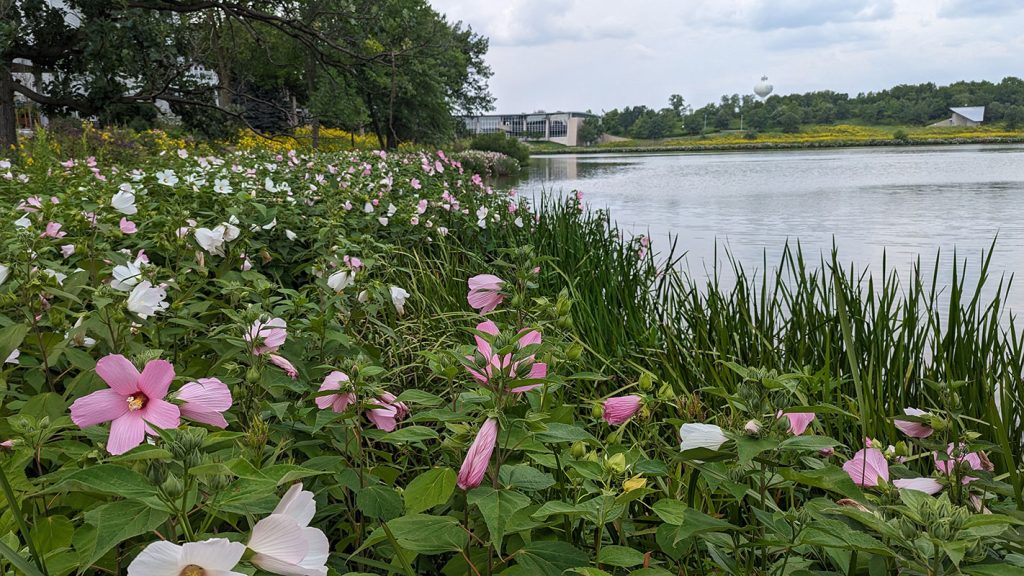
- Improved stormwater management
- Enhanced wildlife habitat
- Reduced long-term maintenance costs
While turf grass serves important recreational and functional purposes, prairie restoration can be an effective solution for underutilized areas where ecological performance and sustainability are priorities.
Pizzo Restoration Brings Native Landscapes Back to Life
Prairie restoration reconnects modern landscapes with the ecological history of the Midwest while delivering measurable long-term benefits. Native prairies help manage stormwater by increasing water infiltration, reduce long-term maintenance costs by requiring less mowing and fewer inputs once established, and create essential habitat for pollinators and other wildlife. The result is a resilient landscape that supports biodiversity, improves ecosystem health, and provides lasting value for generations to come. Every restoration project begins with understanding the land.
With proper planning and care, restored prairies can thrive for generations while supporting wildlife and improving environmental health. Contact us today to talk about your prairie restoration project!